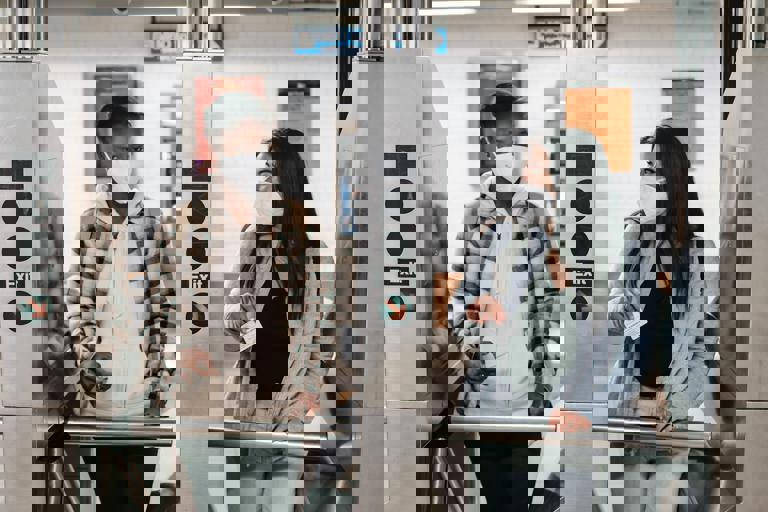
In a dramatic reversal, city council has decided to hold off on a proposed transit fare increase following substantial backlash from local residents. The move comes after weeks of heated debate, protest petitions, and passionate public consultations. Many commuters and advocacy groups warned that higher fares could limit access to essential services and worsen affordability challenges, especially for those already struggling to cope with rising living costs.
City officials initially defended the fare hike, arguing that increased revenues were necessary to maintain and improve public transit services. However, public response was swift and overwhelmingly negative, with community groups, students, and low-income families voicing concern over the potential hardship the new fees would impose. According to a recent city survey, nearly 70% of respondents opposed the planned increase as unaffordable.
Several councillors, who had previously voted for the hike, acknowledged the mounting pressure from their constituents. Councillor Jamie Watson stated in Tuesday’s meeting, "Our job is to listen, and in this case, the community has spoken loud and clear. We cannot ignore the realities facing our residents." The profoundly personal stories shared during public hearings appear to have made a significant impact on council members’ perspectives.
Advocates for equitable transit access celebrated the decision to delay the fare increase, emphasizing the importance of reliable, affordable transportation for all. "Public transport isn’t a luxury, it’s a necessity," said Maria Lopez, spokesperson for the Citizens for Accessible Transit coalition. She and her team gathered over 12,000 signatures in opposition to the fare hike, highlighting strong public appetite for keeping transit within reach for every resident.
The city’s budget office had projected that the fare increase could bring in an additional $8 million in yearly revenue, a sum earmarked primarily for infrastructure upgrades and safety improvements on key transit routes. With the hike on hold, city planners face a significant shortfall that will need to be addressed either through alternative funding mechanisms or scaled-back service expansions.
Deliberations on the council floor revealed deeper tensions between fiscal responsibility and social equity. Some members maintained that without new revenue streams, the overall quality of public transit could decline. Others argued that fare hikes disproportionately affect vulnerable populations, running counter to the city’s own stated objectives of inclusion, accessibility, and reducing car dependency.
Transit ridership, while showing signs of recovery post-pandemic, remains below pre-2020 levels. Experts warn that raising fares now could stall growth, as some riders may opt for private vehicles or reduce their use of public transportation altogether. According to transit planner Arjun Singh, "Every fare hike risks losing passengers for good, especially when trust in the system is already fragile."
For many residents, the council’s decision signals responsiveness amid tough economic times. Anna Petrova, a university student and daily transit user, expressed her relief in a local interview: "If fares went up, I’d have to cut costs elsewhere – maybe even skip classes. This delay means I can breathe easier, at least for now." Her sentiments were echoed by others facing fixed incomes or unpredictable work hours.
The issue now moves back to city administration, which has been tasked with conducting a comprehensive review of transit funding models. Options reportedly under consideration include further provincial or federal partnerships, targeted levies, or more progressive fare structures. Officials are expected to present a set of recommendations to council within the next several months.
Mayor Elliot Grant, who ultimately supported the delay, acknowledged the challenging balancing act ahead. "Maintaining a world-class transit system requires investment, but not at the expense of those who rely on it most," Grant stated during the press briefing. He stressed the need for innovative thinking and open community engagement as the search for sustainable solutions continues.
Business leaders, meanwhile, are watching developments closely, noting that reliable and affordable public transportation is integral to workforce mobility and downtown vibrancy. The Calgary Chamber of Commerce issued a statement urging council to prioritize investments in public transit and find efficiencies without placing a disproportionate burden on riders.
As the city navigates its next steps, the debate over transit fares and funding is far from settled. With affordability and accessibility emerging as major themes in local policymaking, the community’s vocal opposition to the fare hike has set the tone for ongoing dialogue. The ultimate outcome will likely shape not only the future of public transportation, but also the larger conversation on equity and civic priorities in the city.