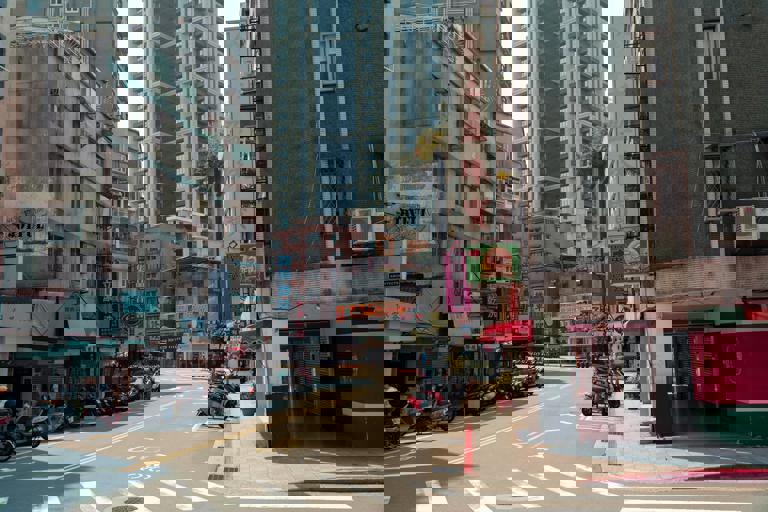
In a surprising twist for both renters and landlords, rental prices in what was once a highly sought-after district have begun to decline rapidly. This downturn has caught many by surprise, particularly given the neighborhood's recent history as a rental hotspot. Residents who have long faced fierce competition and escalating costs are now seeing For Rent signs linger much longer than before, sparking conversation across the local housing community.
The shift in rental trends became evident over the past two months, with landlords slashing rates by as much as 15 percent compared to the previous year. Industry sources attribute the sudden price drop to a combination of new apartment developments coming online and changing migration patterns. Some analysts believe that after a period of record-setting demand, supply now outpaces the pool of interested tenants in the district.
Renters who have called the neighborhood home for years say the change is both welcome and unexpected. "I've been bracing for another rent hike every renewal," said Jessica Ma, a local tenant. "Instead, my landlord offered me a lower rate to stay another year. It's a relief, but also makes me wonder what’s really going on in the market." Many echo her sentiments, finding the new affordability both positive and puzzling.
Real estate experts point to economic factors as a driving force behind the rental market's tectonic shifts. According to Samir Dhalwal, a senior housing analyst, rising interest rates and economic uncertainty have cooled relocation trends. "We’re seeing fewer tech-sector workers and young professionals moving in compared to last year, decreasing overall demand," Dhalwal explained. He added that remote work options have allowed more people to live further from city cores, ultimately softening urban rents.
Landlords, accustomed to setting high premiums, are now adapting to new market realities. Many have responded by offering move-in incentives or flexible lease terms to attract tenants. “We never had to negotiate before—units would be gone in a week,” said landlord Cheryl Wong. “This year, we’re throwing in a month of free parking just to fill vacancies.” Such tactics, rarely seen during the peak years, have quickly become common.
The sharp adjustment in pricing has also raised questions about the future trajectory of the district. Urban planners warn that the current dip could be temporary, especially if job growth or immigration rates rebound. “Market cycles are normal, especially in prime urban locations,” says urban economist Lisa Bertrand. “But this slowdown gives policymakers a chance to look at long-term housing affordability solutions.”
Some long-term residents see the changes as an opportunity to improve community stability. As rents moderate, turnover is expected to slow, allowing neighbors to forge stronger connections. “When people aren’t forced to move every year because their rent doubled, you build a real community,” noted local activist Nia Ahmad. She hopes these trends provide a model for more balanced growth across the city.
However, challenges remain for those who invested heavily in rental properties during the district’s boom. Some small-scale landlords worry that lower rents could strain their finances, particularly if mortgage costs remain high. "We planned based on different numbers," said landlord Rajiv Patel, who owns three units. "If rates stay low for too long, repairs and upkeep become much harder to manage. It’s not just tenants who feel the effects.”
As rental prices continue to fluctuate, both renters and landlords are watching the market carefully, seeking signals about what comes next. While the immediate outlook may favor tenants, housing experts caution that the balance of power could shift again if market forces change. For now, the district stands as a vivid example of how quickly real estate climates can turn—and the rippling impacts felt by everyone involved.