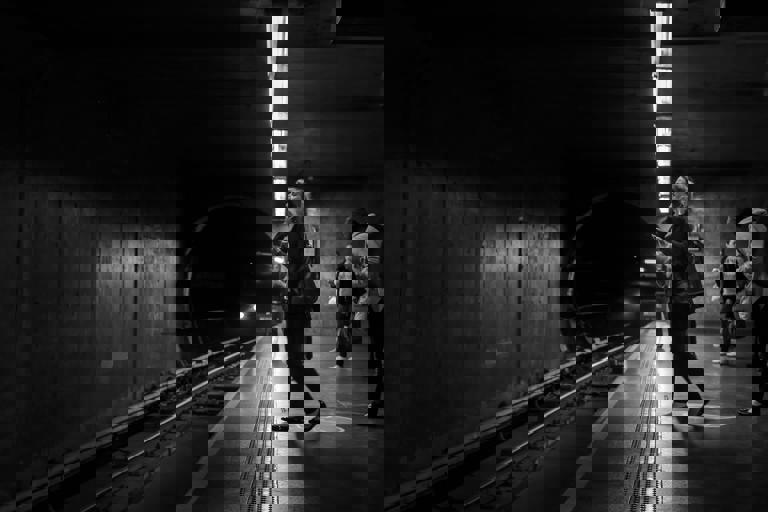
A sudden and widespread power blackout ground part of the city’s downtown transit system to a halt during Monday’s busy evening rush hour. The outage, which struck without warning at approximately 5:10 p.m., left dozens of transit trains stranded between stations and brought thousands of daily commutes to an abrupt and frustrating stop. Affected lines ground to a standstill across several blocks, according to transit officials, causing significant delays and confusion for riders.
Passengers described the scene as tense and chaotic as train operators attempted to keep everyone informed amid the uncertainty. "At first, we thought it was just a short delay, but after ten minutes, people started getting nervous," said commuter Danielle Murphy, who was left stranded between two major stations. The lack of information initially contributed to mounting anxiety, particularly for those with pressing obligations after work.
Transit authorities worked quickly to get updates out to passengers, using intercoms and social media to explain the situation. City spokesperson Marc Edwards stated, "Our priority was the safety and wellbeing of all passengers. Crews were immediately dispatched to assess the power disruption and to assist anyone in need on the affected trains." Emergency lighting activated on the halted trains to provide minimal illumination as technicians raced to investigate the cause.
The blackout reportedly impacted nearly 900 riders, with some trains immobilized in tunnel sections where cell phone reception was unreliable. Emergency responders, including fire and medical teams, were called in to several locations to offer assistance. In at least two instances, medical attention was required after passengers reported minor injuries related to anxiety and discomfort from the prolonged stoppage.
Commuters forced to disembark from trains in between stations were guided out safely by transit personnel. Portable lights and emergency exits were utilized to navigate the darkened tunnels and platforms. City officials later praised the calm demeanor of riders and the professionalism of staff, who ensured evacuation procedures went smoothly without further incident. Neighboring businesses also opened their doors to provide shelter and water to those displaced by the blackout.
Officials have stated that the blackout’s origin appears to be a failure within a central transformer in the downtown core, though a thorough investigation is still underway. "We are coordinating with the utility company to make sure there are no further risks," said transit director Olivia Jamison. Maintenance teams began working on repairs even before the cause was fully identified, striving to restore normal service as swiftly as possible.
The ripple effects from the blackout extended well beyond the transit lines themselves. Traffic congestion increased as stranded riders sought alternative means to get home. Ride-sharing companies and taxis reported a sharp surge in demand, resulting in longer wait times and higher fares. Many evening events in the city experienced delayed or reduced attendance due to the transportation disruption.
In response, transit authorities implemented contingency shuttle services along affected routes, deploying a fleet of buses to bridge key downtown stations. While this solution alleviated some of the pressure on the system, commuters expressed frustration at the limited capacity and the extended duration of the alternative arrangements. Nonetheless, many acknowledged the difficult circumstances and commended the city's effort to respond rapidly to the unexpected crisis.
Local officials pledged a transparent review of the outage and promised to strengthen emergency protocols for future incidents. City Council member Priya Sharma commented, "This blackout exposed vulnerabilities in our infrastructure and communication processes. We will be seeking public input as we work to improve reliability and response times going forward." The council scheduled a special meeting to discuss additional investments in critical systems and backup power supplies.
By later that night, power had been restored to most of the affected lines, and regular service began resuming with ongoing monitoring for safety. Passengers gradually made their way home, grateful for the end of an unnerving ordeal. While the evening’s events disrupted countless plans, the quick action of emergency crews and transit staff demonstrated the city’s capacity to navigate and learn from sudden, citywide challenges.