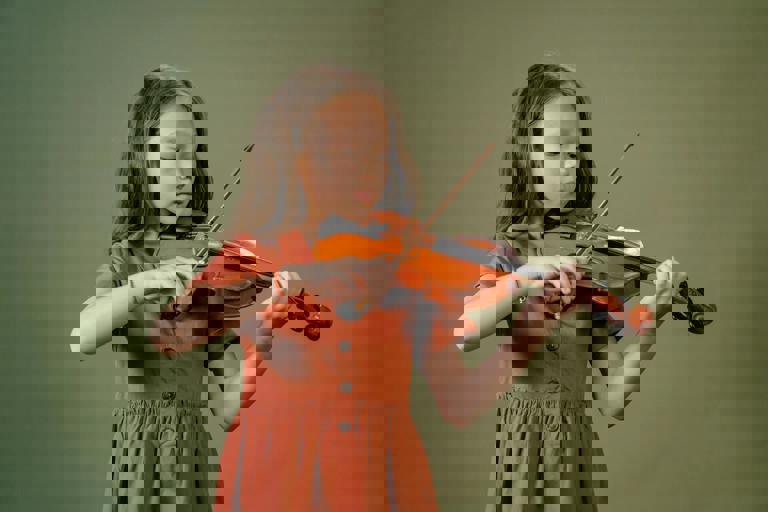
Commuters hustling through the central train station during the latest morning rush were treated to a delightful surprise: the resonant sound of violins, cellos, and brass instruments filled the air, transforming an ordinary commute into a memorable musical experience. The source of this unexpected energy was a talented local youth orchestra, which launched a series of pop-up concerts to brighten the day for busy travelers.
The initiative, organized by the city’s Youth Symphony Program, sought to enrich everyday life while showcasing the talent and dedication of its young musicians. Program director Lindsay Chen explained, “We wanted to make music accessible outside traditional concert halls, bringing joy to people where they least expect it.” The campaign marks a novel collaboration between the orchestra and the transit authority.
The debut performance began promptly at 7:30 a.m., as commuters poured into the station, many still shaking off morning drowsiness. Within moments, the lively strains of Mozart’s “Eine kleine Nachtmusik” drew curious crowds, pausing to listen. Cellist Amanda Ruiz, age 16, said, “Seeing people stop, smile, and engage with our music is so rewarding. It’s an instant connection.”
The idea for the concert series first arose during a brainstorming session among youth orchestra members. Many noted how music can transform public spaces and break monotony. Concertmaster Theo Jennings, 17, remarked, “We believe music can create community, even among strangers. Performing in nontraditional venues puts us out of our comfort zone, but it’s worth it to reach new audiences.”
Transit officials enthusiastically supported the project, recognizing its potential to improve commuter morale. Sarah King, spokesperson for the local transit authority, commented, “Events like this encourage a sense of civic pride. We’re always eager to support activities that foster positive interactions and showcase our city’s vibrant arts scene.” The concerts were coordinated to avoid disruptions to train schedules.
Reactions from commuters ranged from delight to nostalgia. Many pulled out smartphones to capture the scene, while others simply paused to listen. Raul Peralta, a daily commuter and father of two, described the performance as “a breath of fresh air. I never expected to start my day with a live orchestra at the station—it made me feel connected to the city in a new way.”
Statistics from a recent City Arts Council survey underscore the appetite for public art, with 72% of residents supporting more cultural events in transit areas. This surge in public engagement reflects broader trends in citywide initiatives aimed at expanding access to culture. Organizers hope the orchestra’s efforts can inspire similar community-driven arts activities.
For the young musicians, the experience was as educational as it was inspiring. Performing in the bustling environment of a busy station sharpened their focus and adaptability, as they contended with ambient noises and shifting crowds. Violinist Priya Nair, 15, noted, “We’ve performed on big stages, but nothing prepares you for hundreds of people walking by. It taught us to project confidence and stay unified as a group.”
The impromptu concert series is set to continue on select weekday mornings throughout the month, featuring a rotating lineup and diverse repertoire. Pieces range from classical favorites to contemporary film scores, ensuring there’s something for every listener. Organizers also hope to partner with local schools and community groups, broadening the scope of participation and outreach.
Social media quickly buzzed with photos and videos from the event. Onlookers posted praise and gratitude, using hashtags like #TransitTunes and #MorningMusic. The campaign has generated momentum beyond the station, with several commuters reaching out to the orchestra about booking future performances for local community gatherings, markets, and festivals.
Music educators have lauded the initiative for bridging generational and cultural divides. Megan Wallace, a high school music teacher, observed, “Events like this show our students the transformative power of live performance. It invites conversation, curiosity, and creativity into daily life.” Plans are underway to incorporate a participatory element in future concerts, inviting passersby to join in with simple instruments or vocals.
As the project unfolds, feedback is being gathered from both performers and audiences to refine the experience. The Youth Symphony Program is exploring options for collaborating with dance troupes, spoken word artists, and other performers. By diversifying their programming, organizers hope to keep the concerts fresh and build enthusiasm across a wider segment of the community.
Ultimately, the youth orchestra’s morning transit concerts have demonstrated the profound impact that art can have in everyday spaces. By sharing their passion beyond concert halls, these young musicians have uplifted the spirits of commuters, fostered community pride, and inspired new conversations about the value of accessible public art. With their instruments in hand, they continue to transform fleeting moments into shared memories, one note at a time.